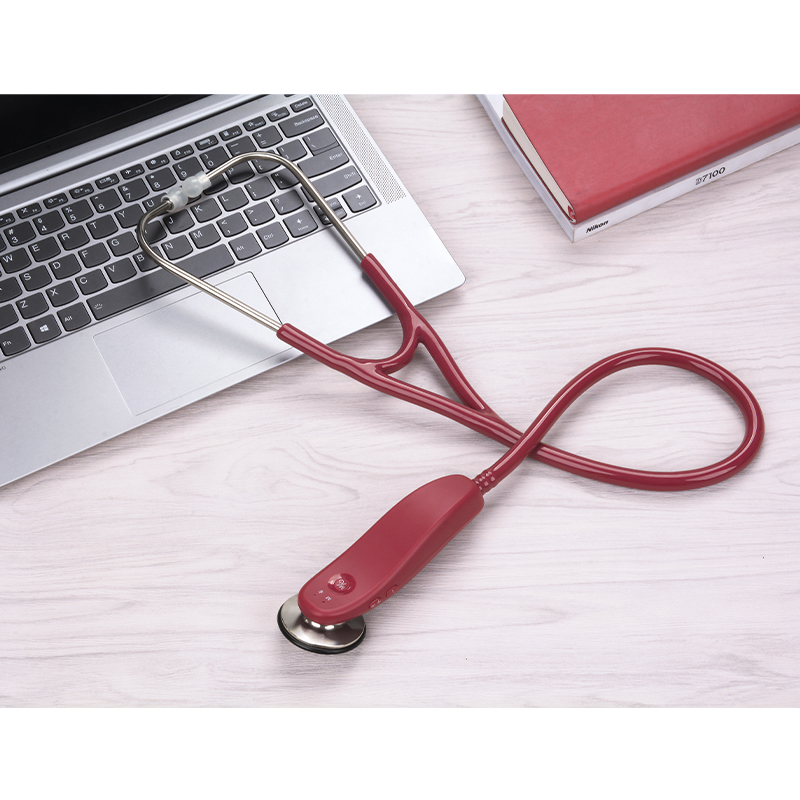

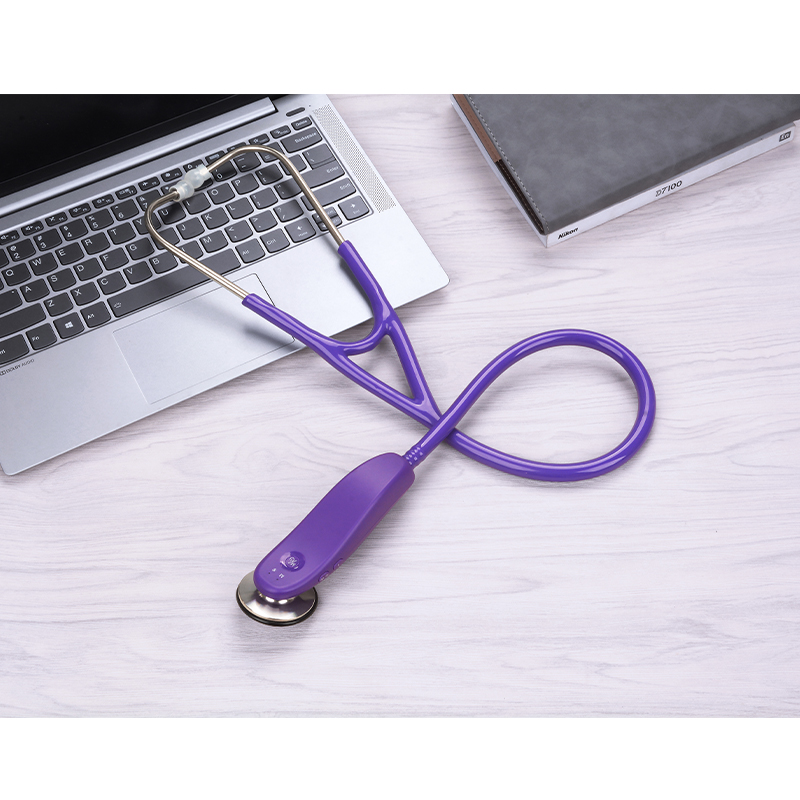
After the audio signal is acquired, it is first converted into a digital signal by an analog-to-digital converter, and then a digital filter is used to suppress noise in a specific frequency range.
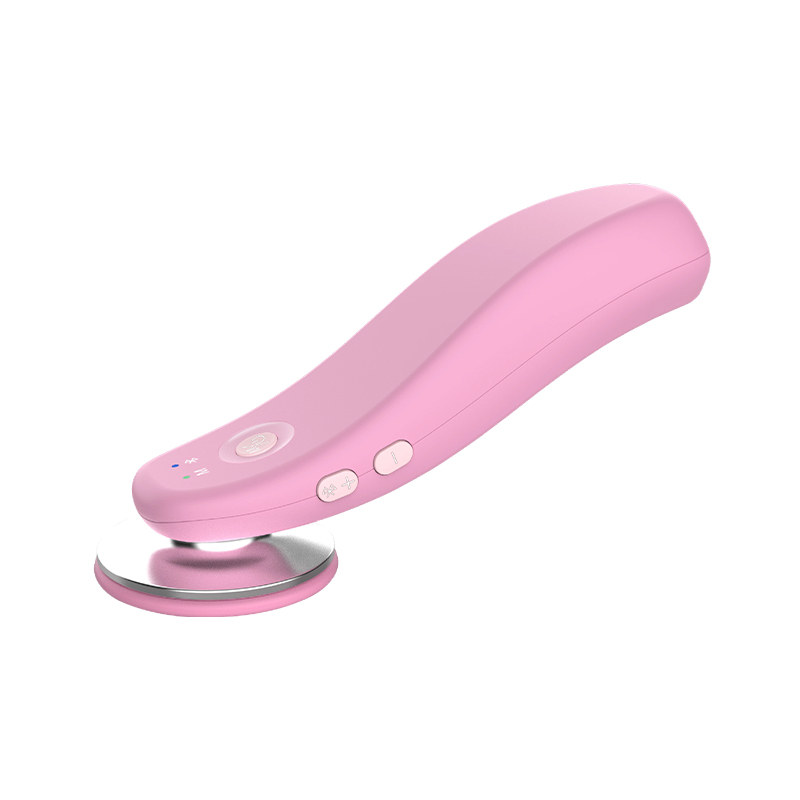
The control panel needs to provide intuitive switching operation entry points, such as physical buttons, touch gestures, or voice commands.
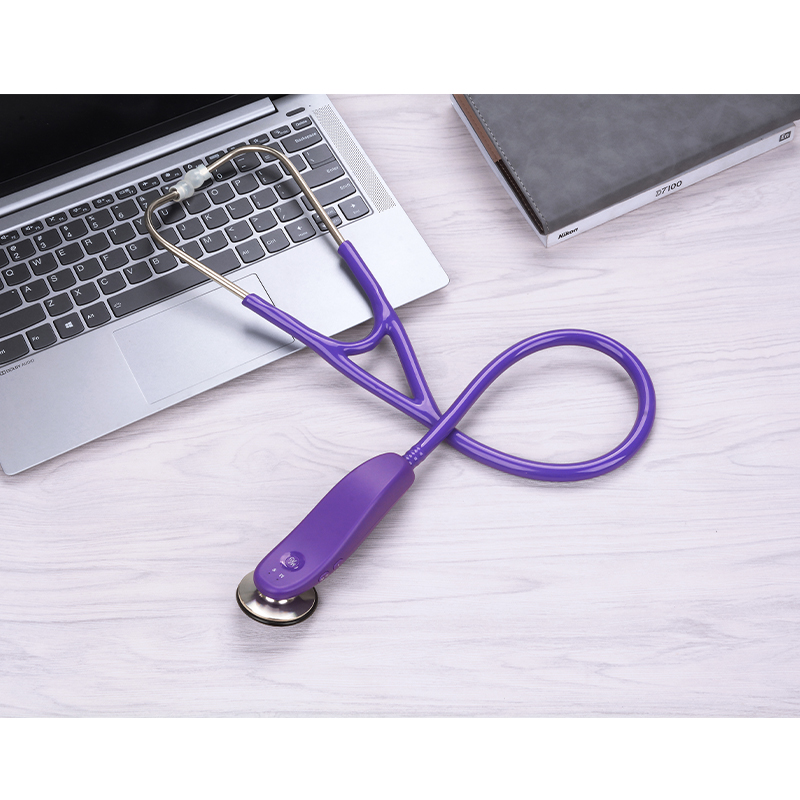
From the perspective of technological development trends, medical electronic stethoscopes are evolving towards intelligence, integration, and portability.
The original heart sound signal is usually accompanied by interference from respiratory sounds, gastrointestinal sounds and environmental noise. Multi-channel systems need to implement adaptive filtering independently for each channel.
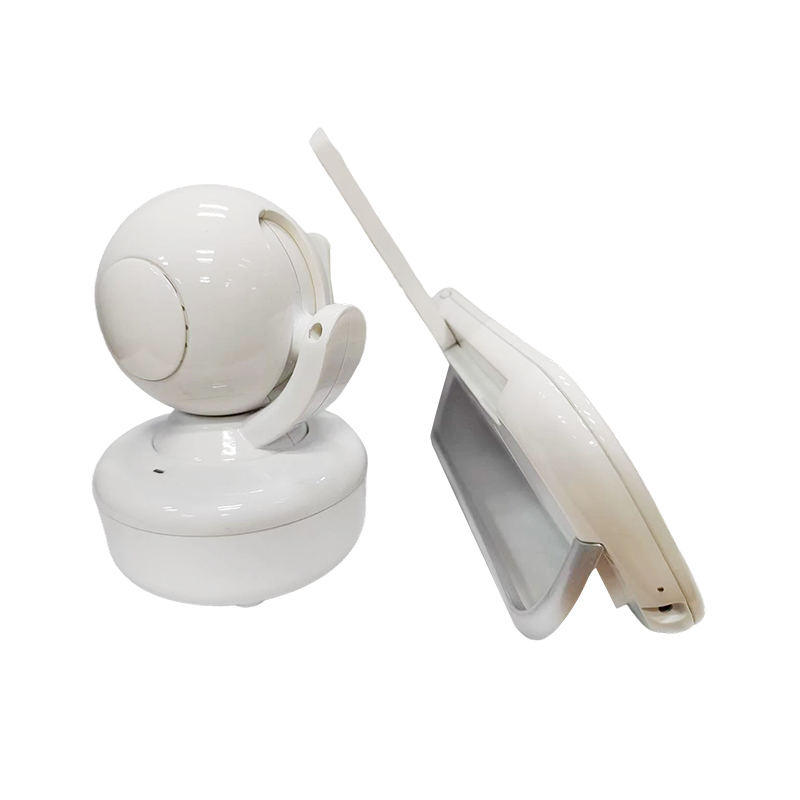
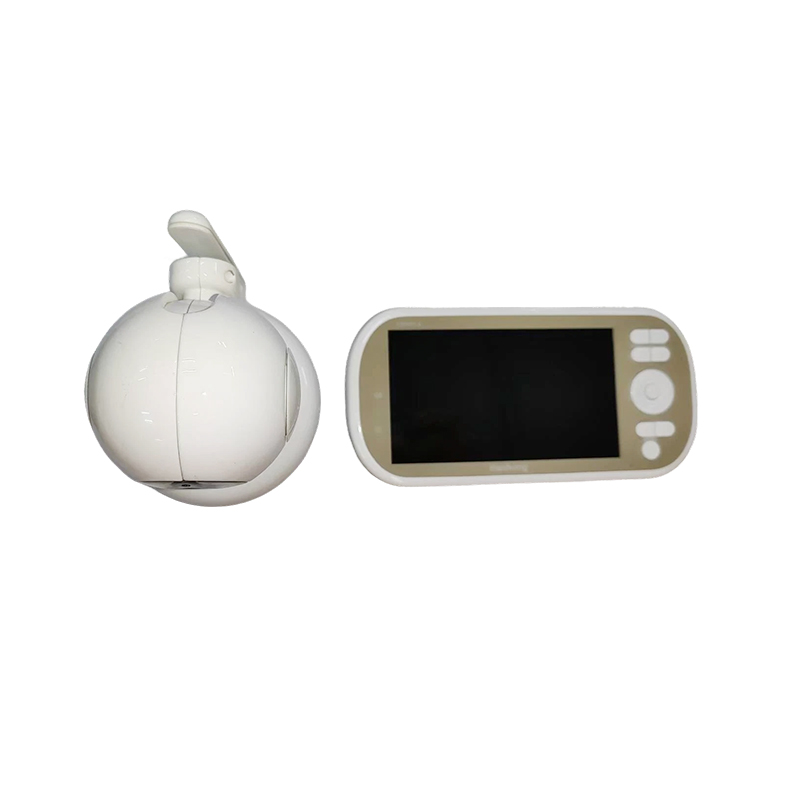
From microphone selection to the application of intelligent algorithms, each step is specifically optimized for the unique characteristics of infant voices, ultimately forming a highly sensitive and low-interference audio monitoring system.
During the research and development phase, oscilloscopes and spectrum analyzers are needed to comprehensively evaluate the signal quality under low power conditions.